Introduction – The Intersection of Snoring and TMJ Disorders
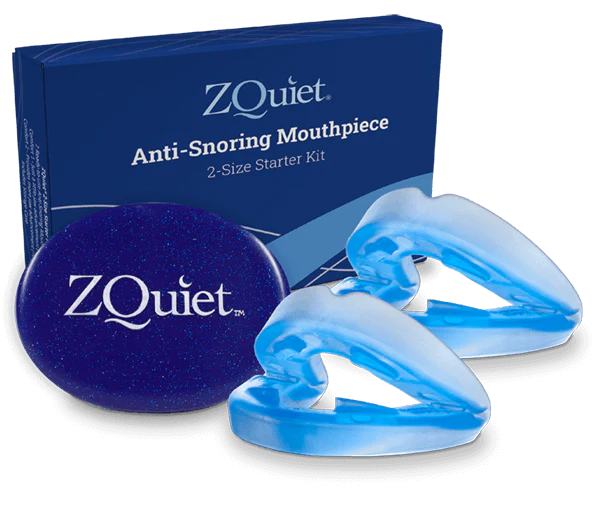
Temporomandibular joint (TMJ) disorders affect millions of people worldwide, causing jaw pain, headaches, and difficulty chewing. For Read this article those who suffer from TMJ issues and snoring, finding an effective anti-snoring solution can be challenging. The ZQuiet mouthpiece, designed to reduce snoring by advancing the lower jaw, has gained popularity, but is it safe and effective for people with TMJ disorders? This article explores the connection between ZQuiet and TMJ, highlighting potential benefits and precautions to consider before using the device.
What Is TMJ Disorder and Why It Matters for Mouthpieces
TMJ disorder involves inflammation or dysfunction of the jaw joint, which can cause pain, clicking sounds, and limited jaw movement. People with TMJ often experience increased discomfort when using devices that reposition or restrict jaw movement. Since ZQuiet works by pushing the lower jaw forward, it can potentially strain the joint or exacerbate symptoms. However, the degree of discomfort varies depending on the severity of TMJ and individual jaw anatomy. Therefore, it’s critical to approach mandibular advancement devices cautiously if you have TMJ.
How ZQuiet’s Design May Benefit or Challenge TMJ Sufferers
Unlike some rigid mouthguards, ZQuiet uses a flexible “Living Hinge” that allows for natural jaw movement, including speaking and swallowing. This feature may reduce some of the stress on the TMJ compared to more restrictive devices. Many users report that ZQuiet is more comfortable than other mandibular advancement devices, which could make it a better option for mild TMJ sufferers. However, because it still advances the jaw, there is a risk of worsening symptoms if your TMJ is severe or inflamed. Careful trial and professional guidance are essential.
Recommendations and Precautions for TMJ Patients
If you have a TMJ disorder and are considering ZQuiet, it’s crucial to consult your dentist or a TMJ specialist first. They can evaluate your jaw condition and recommend whether mandibular advancement devices are appropriate for you. Starting with the smaller advancement mouthpiece and monitoring your symptoms closely can help minimize risk. If you experience increased jaw pain, headaches, or clicking sounds, discontinue use immediately and seek medical advice. Some patients may benefit from custom-made oral appliances designed specifically to accommodate TMJ issues while reducing snoring.
Conclusion – Proceed With Caution and Professional Guidance
In conclusion, ZQuiet may be suitable for some people with mild TMJ disorders due to its flexible design and comfortable fit. However, for moderate to severe TMJ sufferers, the jaw advancement required may cause discomfort or aggravate symptoms. The key to safely using ZQuiet with TMJ is proper medical consultation, cautious trial, and paying attention to your body’s responses. If you’re dealing with TMJ and snoring, working with your healthcare provider will help ensure you find a solution that improves sleep without sacrificing jaw health.
 Site Title